When we discuss democracy, our minds often jump to the images of loud rallies, beating drums, and the celebratory victory laps of winning parties. However, the 2026 Assembly Elections have revealed a different picture—one that is quiet, yet incredibly profound. I am talking about NOTA (None of the Above), that final button on the EVM which sits at the very bottom, but carries a message of immense depth.
More Than a Vote, a Responsibility This year, Assam truly set a benchmark. With an unprecedented 85.96% voter turnout, it is clear that nearly every citizen in our state stepped out because they wanted to be a part of the change. Yet, within this massive crowd, there were those who found themselves unsatisfied with every political block on the ballot. In Assam, approximately 1.10% of voters chose the path of NOTA. Who are these 1.10%? They are not people who boycott elections; they are citizens who believe in the system, stand in long queues, and reach the booth—only to realize that no candidate on the list truly represents their concerns. Particularly in Upper Assam and the tea-tribe belts, where people have heard the same promises for decades, NOTA has emerged as a “silent protest.” It shows that the voter in Assam is no longer just looking at the party flag; they are scrutinizing the candidate’s track record.
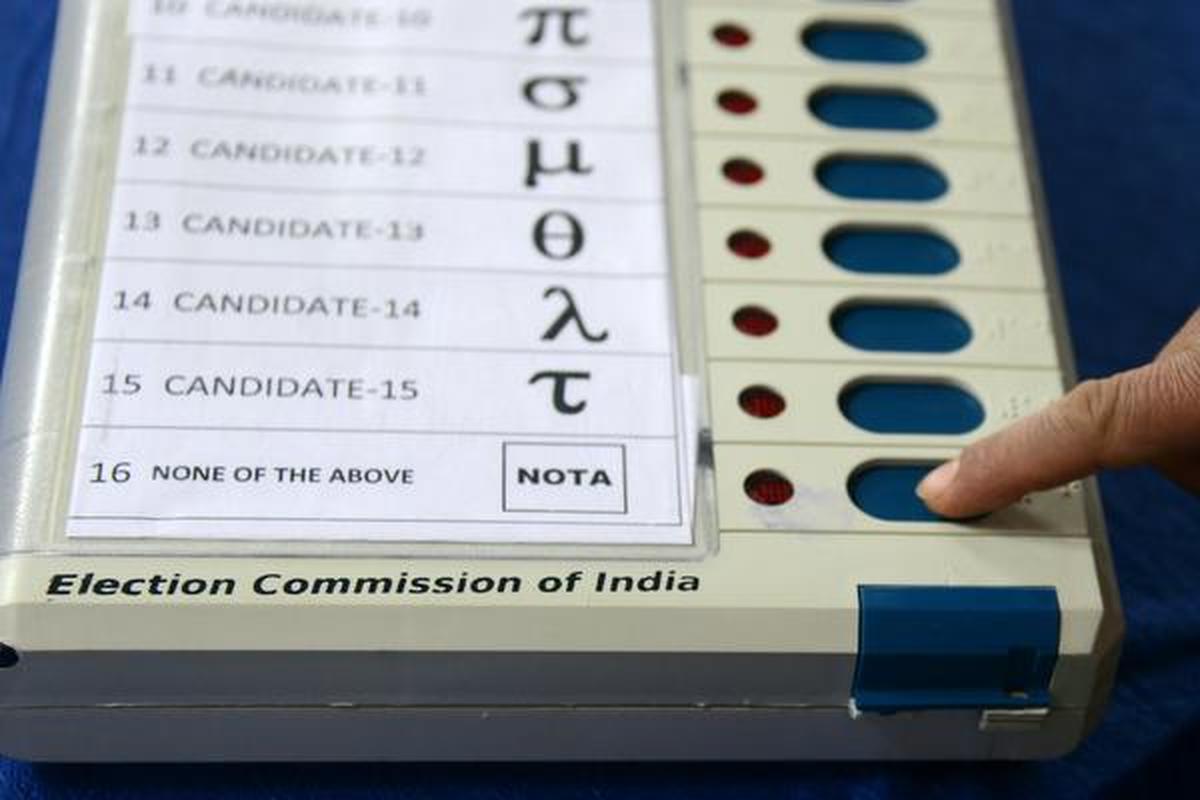
A Diverse Verdict Looking beyond our borders, the story across India was equally fascinating. West Bengal recorded a staggering 91% turnout. The energy was electric. However, in urban pockets like Kolkata, where residents are frustrated with persistent civic issues like drainage and road maintenance, NOTA remained a significant tool for voicing dissent. Kerala Known for its discerning electorate, Kerala saw a NOTA share of 0.57%. Here, highly aware voters made it clear: if the quality of the candidate does not meet their standards, they will not hesitate to choose “None of the Above” rather than settling for the “lesser of two evils.” Interestingly, in Tamil Nadu NOTA saw a slight dip here. This wasn’t due to a lack of dissent, but rather the emergence of fresh political alternatives. When voters find a new “voice” or a third option, they prefer to give that a chance rather than opting for a protest vote.
Why are we pressing the NOTA button? Why does a person choose NOTA? Is it out of laziness? Quite the opposite. A NOTA voter is perhaps the most conscious participant in the process. Their vote says: “I believe in democracy, which is why I am here, but I do not believe in these candidates.” The 2026 elections have highlighted a growing fatigue with “parachute candidates”—those who appear only during election season but lack a grassroots connection.
Whether in Assam or Tamil Nadu, the 2026 data points to one undeniable truth: the voter is no longer a “blind follower. “They are asking questions. Whether it is the record-breaking 86% turnout or the quiet 1.10% NOTA vote—both are victories for our democracy. As a citizen, I believe these NOTA voters are a warning bell for political parties. They are the ones saying—”Do not take us for granted. We are listening, we are watching, and we know how to make our choice felt.”